

Dialectical Behavioural Therapy (DBT) in Kelowna
At Kelowna Trauma and Life Therapy, we understand how overwhelming emotions can affect every part of life—from relationships and work to your sense of stability and self-confidence. You may find yourself reacting more intensely than you want to, struggling to calm down after stressful situations, or feeling stuck in patterns that are difficult to change.
Dialectical Behavioural Therapy (DBT) is an evidence-based approach that helps people build practical skills to manage emotions, navigate distress, and strengthen relationships. Rather than only talking about challenges, DBT focuses on learning tools you can use in everyday life so you can respond to situations with greater clarity, balance, and control.
What is Dialectical Behavioural Therapy (DBT)?
Dialectical Behavioural Therapy (DBT) is an evidence-based form of psychotherapy that combines elements of cognitive behavioral therapy with mindfulness and acceptance-based practices. The approach emphasizes both accepting your current experiences and developing skills to create meaningful change.
DBT focuses on helping individuals understand their emotional responses, build healthier coping strategies, and improve communication and relationships.

How Does DBT Work?
DBT works by helping individuals develop specific emotional and behavioral skills that can be applied in everyday situations. The goal is not only to reduce distress but also to build a life that feels more stable, meaningful, and manageable.
DBT focuses on four core skill areas:
-
Mindfulness skills help you stay present in the moment rather than becoming overwhelmed by thoughts about the past or worries about the future. Clients learn how to observe their emotions without immediately reacting to them.
-
Distress tolerance skills help you navigate painful or stressful moments without resorting to harmful behaviors. These techniques allow you to get through intense emotions safely and effectively.
-
Emotion regulation skills teach you how to understand your emotional responses and develop strategies to reduce emotional intensity, mood swings, and reactivity.
-
These skills help improve communication and relationship dynamics. Clients learn how to set boundaries, express their needs clearly, and navigate conflict in healthier ways.
Together, these four areas create a toolkit that helps clients respond to life’s challenges with greater clarity and stability.
Benefits of DBT

DBT offers a number of practical and emotional benefits, including:
Learning how to manage overwhelming emotions
Reducing impulsive or self-destructive behaviors
Improving communication and relationship skills
Developing healthier coping strategies for stress and conflict
Increasing self-awareness and emotional insight
Building greater confidence and emotional resilience
Creating a stronger sense of stability and balance in daily life
For many people, DBT provides tools that continue to be helpful long after therapy ends.
What Issues Can DBT Treat?
DBT has been shown to be effective for a wide range of mental health concerns, including:
Borderline personality disorder
Anxiety disorders
Depression
Trauma and post-traumatic stress
Emotional dysregulation
Self-harm behaviors
Impulsivity and difficulty with self-control
Relationship conflict and communication challenges
Substance use challenges
Stress and burnout
Even individuals who do not meet criteria for a specific diagnosis often benefit from learning DBT skills to improve emotional balance and coping.

What to Expect in a DBT Session
At Kelowna Trauma and Life Therapy, DBT is delivered through a supportive, collaborative therapeutic relationship. Our clinicians take the time to understand your personal history, the challenges you are facing, and the goals you want to work toward.
A typical DBT session may include:
Exploring recent situations that triggered strong emotions
Identifying patterns in thoughts, behaviors, and reactions
Learning new DBT skills and strategies
Practicing how to apply those skills in real-life situations
Developing practical plans for navigating upcoming challenges
Because our practice specializes in trauma therapy and life counselling, DBT sessions are always tailored to your unique experiences and needs. Many clients find that DBT works particularly well alongside trauma-focused therapy approaches.
Most importantly, therapy with us is a space where you can feel heard, supported, and respected as you work toward meaningful change.
Meet our DBT therapists
-
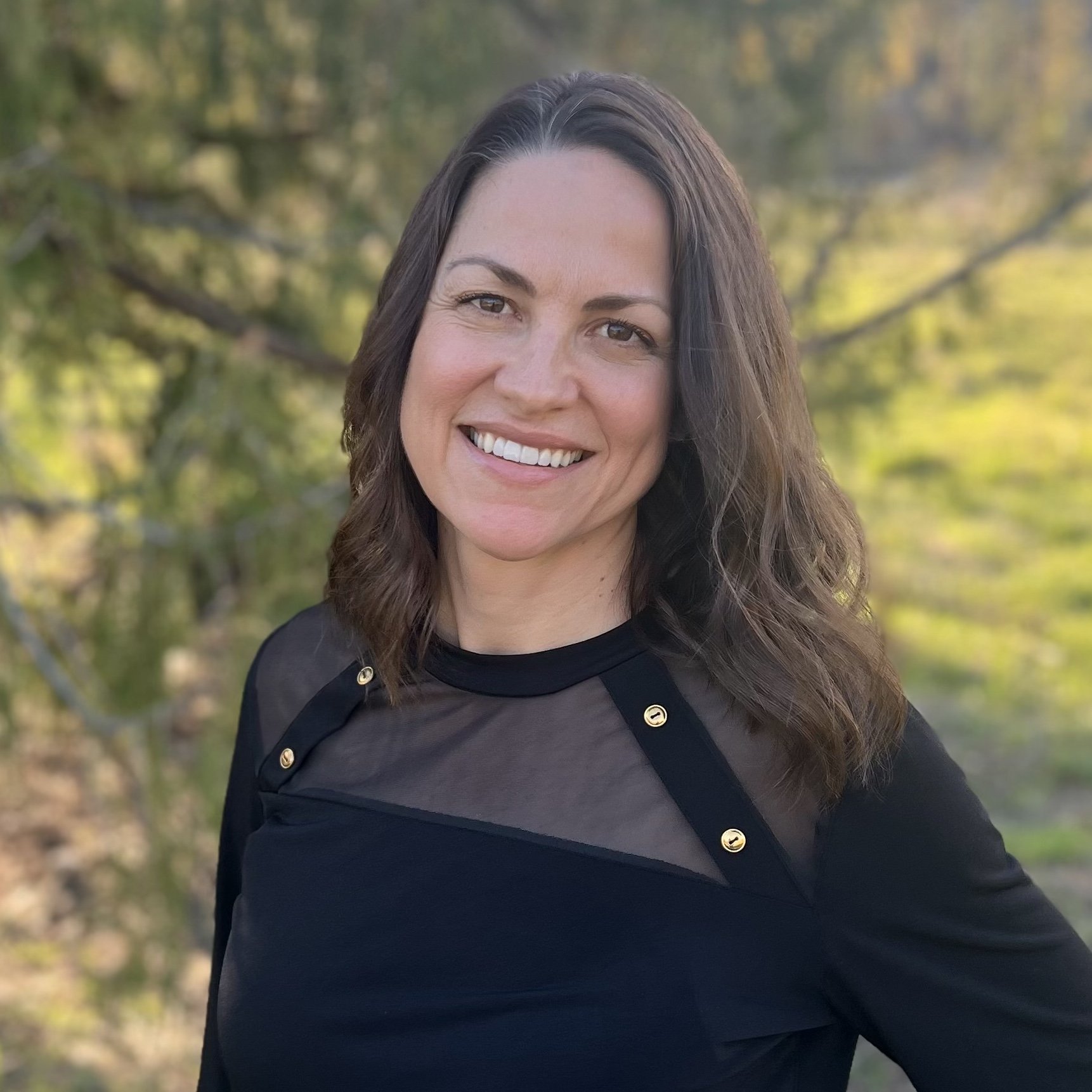
Lea Thomson, BSW, MSW, RSW
-
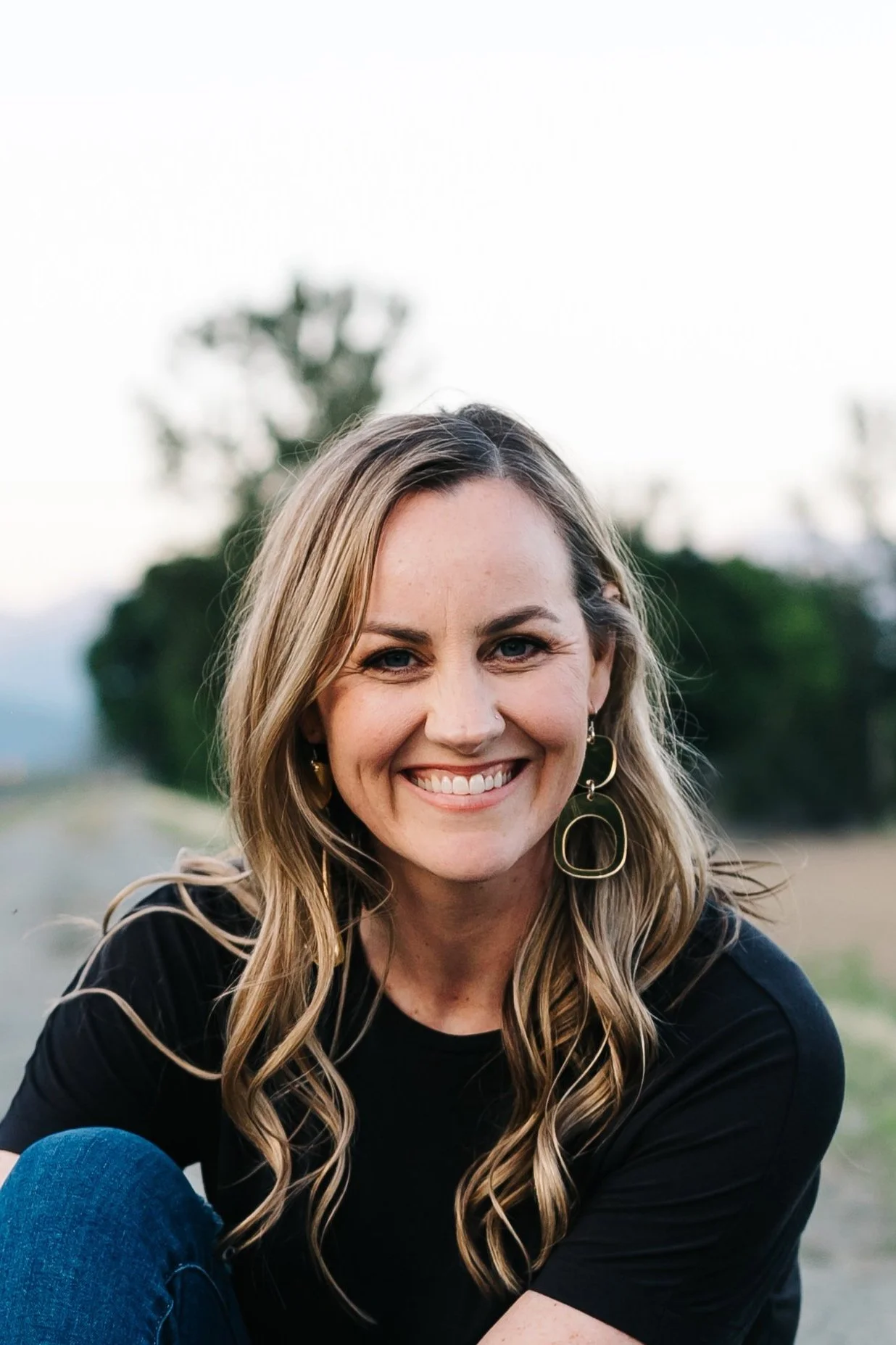
Ava (Tamara) Smith, MA, RCC
-
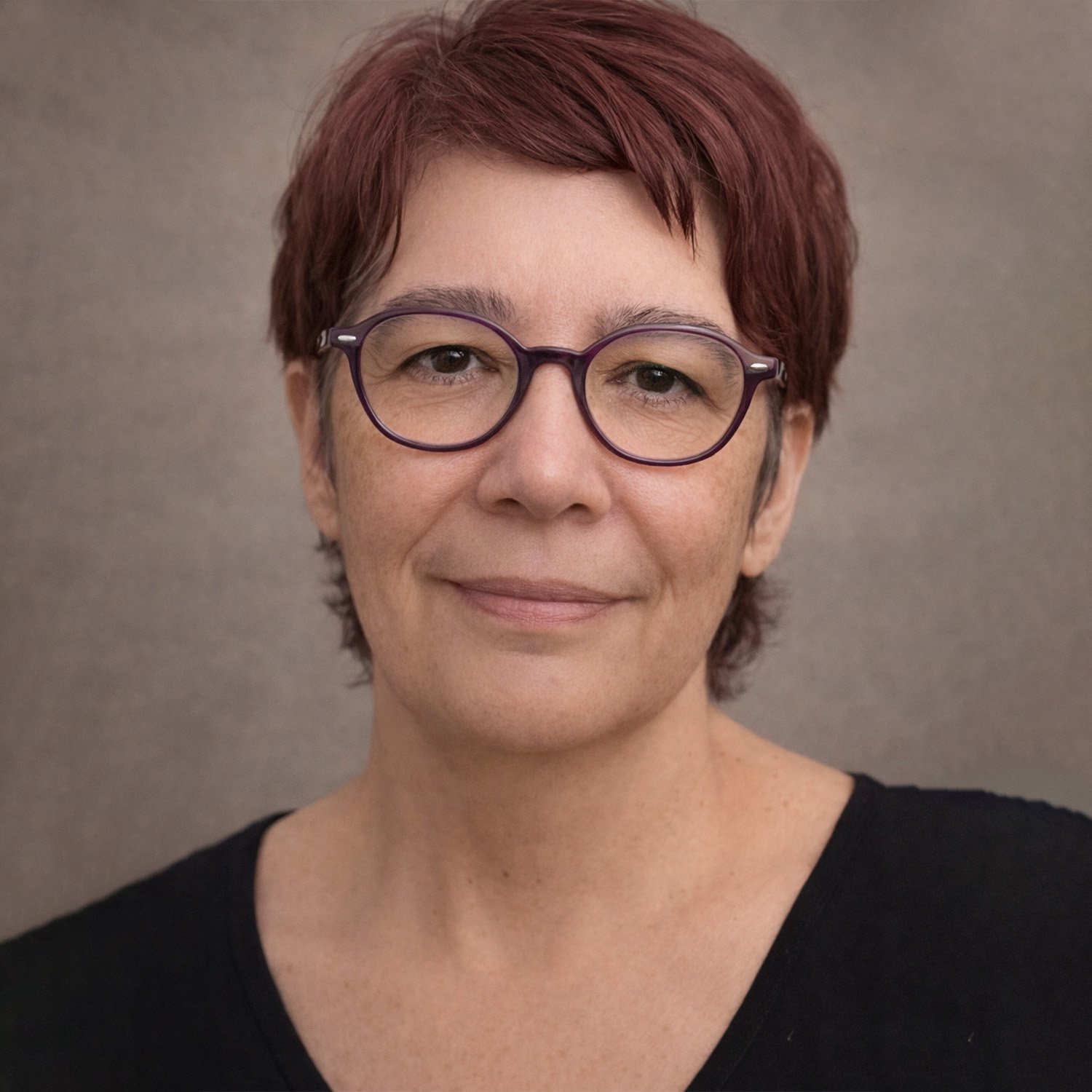
Wendi Moore, B.A., MoC (Candidate), RCC (Candidate)
-

George Gunther, MA, BAHons, CCC
-

Coralee Thomas, MC, MEd., RCC, CCC
-

Karen Bamford, RTCc, BBA (Hons)
-

Arend Smith
-
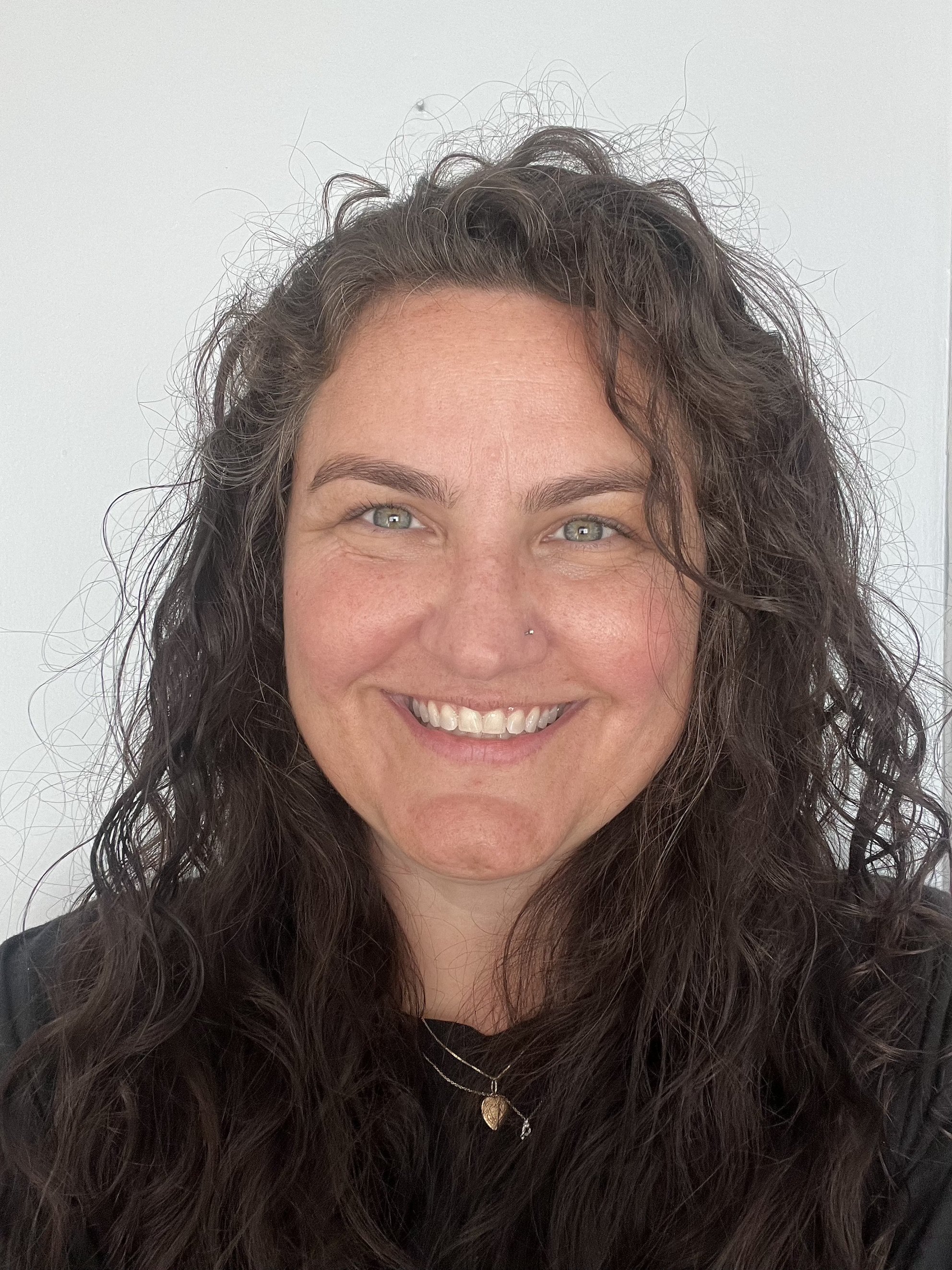
Angela Booy, M.Ed., M.A.C.P., RCC
Frequently Asked Questions
-
No. While DBT was originally developed for borderline personality disorder, it is now widely used to help people struggling with emotional regulation, anxiety, depression, trauma, and relationship difficulties.
-
The length of DBT therapy varies depending on your goals and needs. Some clients benefit from learning core skills over several months, while others engage in longer-term therapy to work through deeper patterns.
-
Not at all. Many people seek DBT simply because they want better tools for managing emotions, improving relationships, or coping with stress.
-
Yes. While DBT includes discussion and reflection, it is also highly skills-based. Clients actively learn and practice techniques they can use in everyday situations.
-
Yes. DBT is often used alongside trauma-focused therapy to help clients stabilize emotions and build coping skills before or during trauma processing work.

Get Started
When emotions feel overwhelming or difficult to manage, it can impact many areas of life. DBT provides practical skills that help you regulate emotions, handle stressful situations more effectively, and build healthier relationships.
At Kelowna Trauma and Life Therapy, our clinicians provide compassionate, evidence-based support tailored to your unique experiences and goals. If you’re ready to develop tools that help you feel more grounded and in control, we invite you to reach out to learn more about DBT or schedule your first session.