

Cannabis-Assisted Therapy in Kelowna
A trauma-informed approach supporting emotional healing, nervous system regulation, and deeper self-awareness.

You don't need to know whether Cannabis-Assisted Therapy is right for you today.
Many people begin simply by being curious. If you've reached a place where traditional therapy has helped but feels like it has reached its limits—or if you sense there are experiences that remain difficult to access through conversation alone—a consultation offers a space to explore whether this approach may be appropriate for you.
There is no pressure to proceed. Our first priority is helping you make an informed decision that feels safe, collaborative, and aligned with your goals.
Cannabis-Assisted Psychedelic Therapy in Kelowna
Cannabis-Assisted Psychedelic Therapy, also known as CAPT, offers a gentle, intentional pathway for individuals seeking deeper self-awareness, emotional regulation, nervous system healing, and insight. When approached with care, preparation, and professional support, cannabis may help increase access to emotions, embodied experiences, memories, and patterns that can sometimes feel difficult to reach through talk therapy alone.
At Kelowna Trauma & Life Therapy, sessions are offered within a structured, trauma-informed, and relational therapeutic framework that prioritizes safety, consent, pacing, and integration. Unlike recreational cannabis use, the focus is not on escape or intoxication, but on creating the conditions for deeper awareness, therapeutic processing, and meaningful change.
The information below is intended to support informed decision-making and help you better understand how Cannabis-Assisted Therapy works, how it differs from recreational cannabis use, and how insights gained during sessions may be integrated into everyday life.
Please note that cannabis- and psychedelic-assisted therapies may not be suitable for everyone. Participation is based on a careful consultation and screening process designed to prioritize safety, stability, readiness, and overall well-being. Scheduling a consultation does not guarantee access to services.
Because this work may bring previously held emotions, memories, or nervous system responses into awareness, it is important that clients have appropriate internal and external supports in place throughout the process. Our approach emphasizes preparation, collaboration, and integration to help clients navigate this work as safely and thoughtfully as possible.
What to Expect
Every Cannabis-Assisted Therapy journey is unique, but each one is grounded in thoughtful preparation, supported journeywork, meaningful integration, and ongoing follow-up. The process below offers a general overview of what you can expect when working with our team.

Preparation
Every journey begins with thoughtful preparation. Together, we explore your goals, readiness, intentions, and nervous system capacity to build a foundation of safety, trust, and informed consent.
Journeywork
Within a carefully supported therapeutic setting, cannabis is used intentionally to deepen awareness and access emotions, memories, and body sensations that may be difficult to reach through conversation alone. Your therapist remains present throughout, supporting your process without directing it.
Integration
Healing doesn't end when the journey does. Integration helps transform insights into meaningful change by exploring your experience together, making sense of what emerged, and supporting lasting growth in everyday life.
Follow-up
Healing is rarely linear. Follow-up sessions provide continued support as your nervous system integrates the work, allowing space to reflect, adjust, and move forward at a pace that feels sustainable and supportive.
Every journey unfolds differently. We move at a pace that honours your nervous system, your goals, and your readiness.
Meet Your Cannabis-Assisted Therapy Team

The therapeutic relationship is at the heart of Cannabis-Assisted Therapy. While cannabis may support deeper awareness and emotional processing, meaningful healing happens within a safe, trusting, and collaborative therapeutic relationship.
Our team has completed specialized training in Cannabis-Assisted Therapy through the Center for Medicinal Mindfulness and approaches this work with trauma-informed care, nervous system awareness, thoughtful preparation, and ongoing integration. Every client begins with a consultation to explore their goals, answer questions, and determine whether this approach is the right fit.
Healing happens within relationship. Meet the clinicians who provide Cannabis-Assisted Therapy through a trauma-informed, relational approach rooted in preparation, presence, and integration.
-
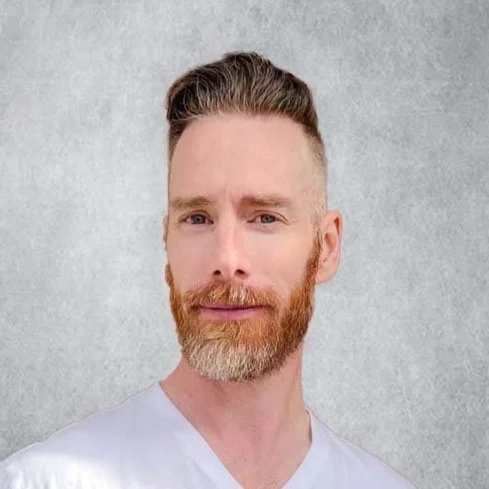
Arend Smith
Executive Director | Counsellor
-

Karen Bamford, RTCc, BBA(Hons)
Counsellor
Who May Benefit from Cannabis-Assisted Therapy?
Cannabis-Assisted Therapy may be supportive for individuals seeking a deeper understanding of themselves, their emotions, and their nervous system patterns within a safe and therapeutic environment.
Some individuals explore this approach as part of support for:
Trauma and PTSD
Anxiety and chronic stress
Emotional numbness or disconnection
Grief and loss
Difficult life transitions
Self-worth and identity-related concerns
Relationship patterns
Burnout and nervous system overwhelm
Spiritual or existential exploration
Experiences that may feel difficult to fully access through traditional talk therapy alone
Cannabis-Assisted Therapy is not intended to “fix” or erase difficult experiences. Rather, the intention is often to support greater awareness, emotional processing, self-understanding, and integration over time.
This approach may not be appropriate for everyone. A consultation and screening process helps determine whether Cannabis-Assisted Therapy is a suitable fit based on an individual’s goals, medical history, mental health history, current supports, and overall readiness.
Training & Approach
Our approach to Cannabis-Assisted Therapy has been informed in part by professional training through Medicinal Mindfulness, an organization specializing in psychedelic therapy and integration.
Medicinal Mindfulness and the Center for Medicinal Mindfulness are approved within Colorado’s Natural Medicine Health Act (NMHA) framework as both a licensed facilitation space and an approved training provider for NMHA-licensed facilitators.
Our work remains grounded in trauma-informed psychotherapy, nervous system awareness, preparation, safety, and integration.
Important Considerations & Safety
Cannabis-Assisted Therapy is not appropriate for everyone, and careful screening is an important part of the process. While many individuals find this work meaningful and supportive, altered states of consciousness can sometimes feel emotionally intense, activating, or unpredictable.
Certain medical conditions, mental health concerns, medications, or substance-use histories may increase risk or make this approach unsuitable. Clients are encouraged to discuss any relevant medical concerns with their physician and to share openly during the consultation and screening process.
Cannabis-Assisted Therapy may bring increased awareness to emotions, memories, body sensations, or nervous system responses that have previously been outside of conscious awareness. At times, this can feel uncomfortable before integration and stabilization occur.
For this reason, our approach emphasizes:
Preparation and informed consent
Nervous system awareness and pacing
Emotional safety and therapeutic support
Collaborative decision-making
Integration following sessions
Respect for each client’s readiness and capacity
Psychedelic- and cannabis-assisted therapies are not suitable for everyone. Our consultation and screening process is designed to help determine whether this approach feels safe, appropriate, and supportive for each individual’s unique circumstances, goals, nervous system capacity, and overall well-being.
We only move forward with this work when we believe there is an appropriate level of readiness, support, and potential therapeutic benefit.
Participation is always voluntary, and clients are encouraged to move at a pace that feels manageable and supportive for their nervous system.
We do not guarantee specific outcomes, and this work is not intended to replace medical or psychiatric care where appropriate.
Frequently Asked Questions
-
A session typically begins with preparation and intention-setting, followed by guided cannabis use—often via vaporization. Clients are supported throughout the experience with grounding, therapeutic guidance, and somatic awareness. Time for reflection and integration is usually included.
-
Unlike recreational use, Cannabis-Assisted Therapy is grounded in intention, structure, and professional guidance. The focus is on healing, insight, and integration rather than intoxication or escape.
-
This approach may support healing related to trauma, anxiety, depression, emotional regulation, and stress. Many clients also report increased self-awareness, clarity, creativity, and a deeper connection to their body and inner experience.
-
When facilitated responsibly and with appropriate screening, Cannabis-Assisted Therapy is generally considered safe. Harm-reduction practices, careful pacing, and professional support help reduce risk. This modality may not be appropriate for individuals with certain mental health conditions, such as active psychosis or unmanaged bipolar disorder.
-
Yes. Cannabis-Assisted Therapy is not appropriate for everyone, and careful screening is an important part of the process.
Certain medical conditions, mental health concerns, medications, substance-use histories, or life circumstances may increase risk or make this approach unsuitable. In some cases, additional medical clearance, stability, preparation, or external supports may be recommended before participating.
Because Cannabis-Assisted Therapy can increase awareness of emotions, memories, body sensations, and nervous system responses, it is important that individuals have an appropriate level of readiness and support for this work.
Our consultation and screening process is designed to help determine whether this approach feels safe, appropriate, and supportive for each individual’s unique circumstances and goals. Participation is always voluntary, and we only move forward when we believe there is an appropriate level of safety, readiness, and potential therapeutic benefit.
-
This therapy may be appropriate for individuals seeking a gentle introduction to psychedelic-assisted work, those who have not found relief through traditional therapies, or people interested in personal growth, emotional healing, or deeper self-exploration.
-
No. Previous experience with cannabis is not required for participation in Cannabis-Assisted Therapy.
Many individuals who explore this work have little or no prior experience with cannabis. Sessions are approached thoughtfully and collaboratively, with careful attention to preparation, pacing, dosage, nervous system responses, and emotional safety.
Cannabis-Assisted Therapy is not about consuming large amounts of cannabis or creating an overwhelming experience. The intention is to support awareness, insight, and therapeutic processing in a way that feels manageable and supportive for each individual.
During the consultation and preparation process, we discuss prior experiences, sensitivities, concerns, medical considerations, and goals in order to determine whether this approach feels appropriate and how sessions may be tailored to support safety and comfort.
-
Cannabis-Assisted Psychedelic Therapy combines psychotherapy with the intentional use of cannabis within a carefully supported, trauma-informed therapeutic setting. Rather than being used recreationally, cannabis is approached as a therapeutic tool that may help increase awareness of emotions, body sensations, memories, and patterns that can sometimes feel difficult to fully access through conversation alone.
Every experience is unique. Some individuals describe sessions as calming and grounding, while others notice previously avoided emotions, memories, or protective patterns becoming more accessible. Throughout the process, your therapist's role is not to direct the experience, but to provide a safe, supportive, and regulated environment that helps you remain connected to yourself.
Preparation and integration are essential parts of this work. Sessions are approached collaboratively and include discussion around intentions, emotional readiness, nervous system capacity, and post-session integration to help support meaningful and lasting change.
-
Integration is the process of taking insights and experiences from a therapeutic session and meaningfully weaving them into everyday life. It helps ensure that insights lead to practical, lasting changes in self-awareness, behaviour, and emotional well-being.
For more information about integration and supportive practices, please visit our
Psychedelic-Assisted Therapy Integration page -
When used intentionally and skillfully, cannabis can function as a psychedelic medicine. In a therapeutic context, it may support non-ordinary states of consciousness, enhanced body awareness, emotional processing, and deep introspection.
-
Cannabis is federally legal in Canada. Cannabis-Assisted Therapy operates within the framework of local cannabis laws and regulations, and sessions may be offered in compliance with those regulations. We do not prescribe or sell cannabis. Clients are responsible for obtaining their own cannabis legally, and we may support clients in understanding what questions to ask at a licensed dispensary to help them choose an appropriate product for their therapeutic goals.
Book a Free Consultation
If you are curious about whether Cannabis-Assisted Therapy may be a fit for you, we invite you to schedule a free consultation.
This consultation provides an opportunity to ask questions, explore your goals, discuss any relevant medical or mental health considerations, and determine whether this approach feels appropriate and supportive for your unique circumstances.
There is no pressure or expectation to move forward. Our goal is to help you make an informed decision that feels aligned, safe, and supportive for you.