
Somatic Experiencing® Therapy in-person and online in Kelowna & Salmon Arm, BC
Somatic Experiencing Therapy is a body-based, trauma-informed approach that helps people work with the physical and nervous-system responses associated with trauma, stress, and overwhelm. At Kelowna Trauma & Life Therapy, Somatic Experiencing is offered in Kelowna, Salmon Arm, and online for individuals who want to develop greater regulation, resilience, and connection with themselves and their bodies.
Sometimes the nervous system holds what insight alone cannot reach.
What is Somatic Experiencing Therapy?
Somatic Experiencing is a body-based, trauma-informed therapeutic approach developed by Dr. Peter Levine.
Rather than focusing only on thoughts or insight, Somatic Experiencing works with the nervous system — helping us notice how stress, trauma, overwhelm, and survival responses may continue to live in the body long after difficult experiences have passed.
Many people arrive in therapy understanding their patterns intellectually, yet still finding themselves caught in recurring emotional, relational, or physical experiences.
Somatic Experiencing gently supports awareness of these patterns through the body.
This may include noticing:
tension, anxiety, or chronic stress
shutdown, overwhelm, or numbness
recurring relational dynamics
physical symptoms that persist without clear explanation
difficulty feeling settled, connected, or fully present
Rather than forcing catharsis or retelling painful experiences before the body is ready, Somatic Experiencing works slowly, collaboratively, and attentively with the nervous system.
The goal is not simply symptom management, but supporting greater regulation, resilience, connection, and integration over time.
How Does Somatic Experiencing Work?
Somatic Experiencing helps clients gently track sensations, impulses, emotions, movement, breath, and nervous system responses in real time.
As awareness develops, the nervous system often begins to complete survival responses that may have remained unresolved or held in the body.
Sessions may include:
nervous system tracking
grounding and regulation practices
awareness of posture, breath, and sensation
noticing patterns in what is present — and what may be missing
gentle movement or orienting practices
trauma-informed touch work, when appropriate and with explicit consent
This work is often experienced as gentler and more gradual than traditional talk therapy, while still allowing for deep and meaningful change.

What Happens During a Somatic Experiencing Session?
Somatic Experiencing sessions are typically collaborative and paced according to what feels manageable for you.
You do not need to arrive knowing how to connect with your body or explain exactly what is happening. The therapist can help you slow down and notice what is happening in the present moment.
A session may involve:
talking about what has been happening in your life
noticing physical sensations, emotions, or impulses
identifying what helps you feel grounded or settled
gently exploring a stressful experience without becoming overwhelmed by it
practicing regulation, grounding, or orienting
noticing changes in your body as you move through the session
You may talk about difficult experiences, but you are not expected to retell every detail of your trauma.
The pace matters. If something begins to feel like too much the work can be slowed down, attention shifted, or you can return to something that feels more grounding.
Somatic Experiencing is not about forcing a breakthrough. It is about developing greater capacity to stay present with your experiences without becoming overwhelmed or disconnected from yourself.
How Effective Is Somatic Experiencing?
Research on Somatic Experiencing is still developing, but early findings are encouraging.
Randomized controlled research has found reductions in PTSD symptoms among people receiving Somatic Experiencing, including one study in which participants received one Somatic Experiencing session per week for 15 weeks. Other research has explored SE alongside treatment for chronic pain and found improvements in PTSD symptoms and fear of movement.
At the same time, Somatic Experiencing has a smaller research base than some more extensively studied trauma therapies. For that reason, it is most accurate to describe the evidence as promising and growing, rather than suggesting that SE has been proven to work for everyone or for every condition.
Therapy is also highly individual. Effectiveness can depend on the concerns being addressed, the therapeutic relationship, the client’s circumstances, and whether the approach is a good fit.
What Conditions Can Somatic Experiencing Help Treat?
Somatic Experiencing is primarily used to work with the effects of trauma, chronic stress, and nervous-system dysregulation.
It may be helpful for people experiencing:
post-traumatic stress symptoms
effects of single-incident or complex trauma
chronic stress and overwhelm
anxiety and persistent feelings of being on edge
shutdown, numbness, or dissociation
difficulty feeling safe or settled in the body
grief and experiences of loss
chronic tension or stress-related physical symptoms
difficulties with emotional regulation
relational patterns connected to past experiences
Somatic Experiencing does not require a formal trauma diagnosis. You may recognize that something feels stuck in your body or nervous system even if you would not describe yourself as having experienced “trauma.”
A consultation can help determine whether this approach makes sense for what you are experiencing.

Somatic Therapy vs. Talk Therapy
Talk therapy often works through thoughts, emotions, language, memories, and meaning. Somatic therapy adds another layer by paying attention to what is happening in the body and nervous system.
Neither approach is necessarily better than the other.
For some people, talking about an experience helps them understand and integrate it. For others, insight alone does not fully change the physical responses that continue to show up.
Somatic Experiencing may complement talk therapy by helping you notice:
what happens in your body when you feel anxious or overwhelmed
how your nervous system responds to certain people or situations
where you feel tension, activation, numbness, or shutdown
what helps your body feel more settled
how physical responses and emotional experiences influence one another
Somatic Experiencing can also be integrated with other therapeutic approaches when appropriate. The goal is not to choose between the mind and the body, but to recognize that both can be part of the healing process.
Frequently Asked Questions
-
Somatic Experiencing has a growing research base, including randomized controlled studies that have found reductions in PTSD symptoms. However, the overall evidence is still developing and is smaller than the research base for some more established trauma therapies.
-
There is no set number of sessions. Some people notice changes relatively early, while others benefit from longer-term work, particularly when working with complex or longstanding trauma. Treatment length depends on your goals, needs, and pace.
-
Trauma work can sometimes bring difficult sensations or emotions into awareness. A well-paced Somatic Experiencing session is designed to avoid overwhelming the nervous system by working gradually and adjusting the intensity of the work when needed. If symptoms become more intense or difficult to manage, this is something to discuss with your therapist so the approach can be adjusted.
-
No. You do not have to describe every detail of a traumatic experience for Somatic Experiencing to be useful. The work can focus on present-moment sensations, nervous-system responses, emotions, and what helps you feel more grounded and connected.
-
Touch can be part of Somatic Experiencing, but it is not required. Any trauma-informed touch should be discussed beforehand and used only when appropriate and with explicit consent. SE training includes specific attention to the appropriate use of touch in practice.
-
Traditional talk therapy often emphasizes thoughts, emotions, memories, and meaning through conversation. Somatic Experiencing incorporates these elements while also paying close attention to physical sensations and nervous-system responses. The two approaches can complement one another.
-
Look for a mental health professional with appropriate clinical credentials and specific training in Somatic Experiencing. Somatic Experiencing International maintains a practitioner directory and provides professional training for practitioners seeking SE Practitioner (SEP™) certification.
Recommended Reading

“Waking the Tiger: Healing Trauma” by Peter A. Levine
explores how trauma can become held in the nervous system and how the body’s natural responses can support healing and regulation.
As the founder of Somatic Experiencing®, Levine offers an accessible introduction to understanding trauma through the body and the innate capacity of the nervous system to move toward greater balance and resilience.
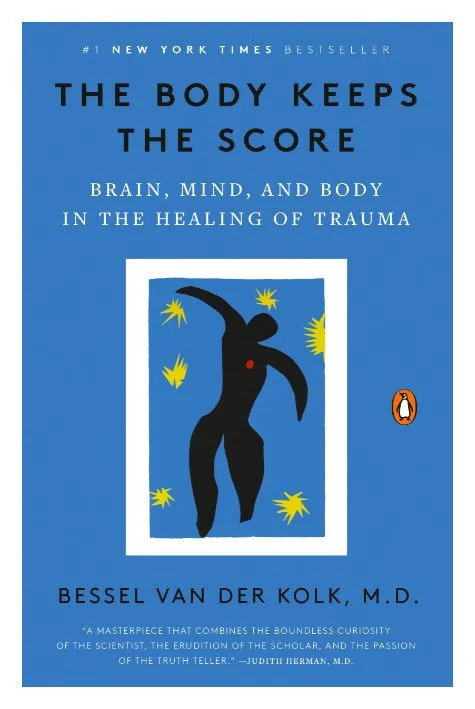
“The Body Keeps the Score” by Bessel van der Kolk, helped bring broader awareness to the relationship between trauma, the nervous system, and the body.
Many clients and therapists find it a valuable introduction to understanding how experiences can continue to live physiologically long after they occur.
Meet Our Somatic Experiencing Practitioners
-

Tanya Wishlove, MTC, GCFP, Somatic Experiencing® Practitioner
Kelowna & Online
-

Jenny Fremlin, MACP Advanced-Level Somatic Experiencing® Student
Salmon Arm & Online
-

Ava (Tamara) Smith, RCC, Advanced-Level Somatic Experiencing® Student
Kelowna & Online
Understanding SE Training Levels
To support transparency, practitioners who incorporate Somatic Experiencing® into their work may hold different levels of training and certification within the Somatic Experiencing® Professional Training Program. Individual profiles identify each practitioner's current level of training, certification, and scope of practice.

Get Started with Somatic Experiencing
Kelowna Trauma & Life Therapy currently offers Somatic Experiencing Therapy in Kelowna and Salmon Arm, BC, serving clients throughout the Okanagan and surrounding interior communities.
Curious whether Somatic Experiencing may be a fit for you?