

Couples Therapy in Kelowna & Online Across British Columbia
Love brought you together.
Old survival patterns may be what's pulling you apart.
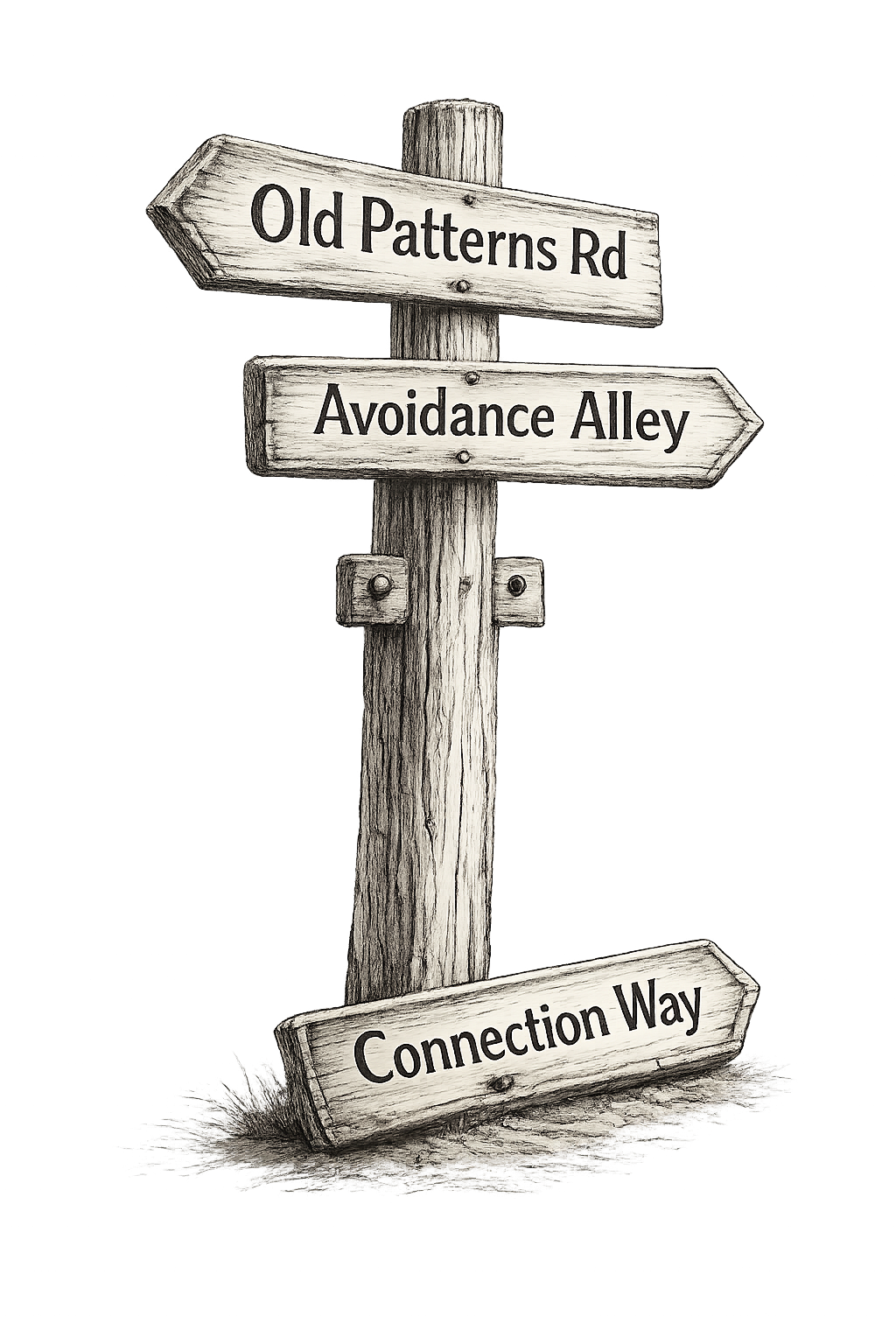
Relationships don't usually struggle because people stop caring. More often, the moments that matter most awaken protective patterns that once helped us survive. What begins as a conversation about dishes, parenting, intimacy, or finances can quickly become two nervous systems trying to find safety in the only ways they learned long ago.
At Kelowna Trauma & Life Therapy, we help couples understand the nervous system, protective parts, and the relational patterns beneath recurring conflict—creating space for greater safety, compassion, and lasting connection.
Understanding isn't just about explaining the past. It's about helping you build the relationship you're both longing for.
Why Loving Couples Get Stuck
"Why do we keep having the same fight?"
Almost every couple has asked this question.
You promise yourself you'll stay calm. You'll listen. You'll say things differently this time.
And yet, somehow, the same conversation unfolds in the same way.
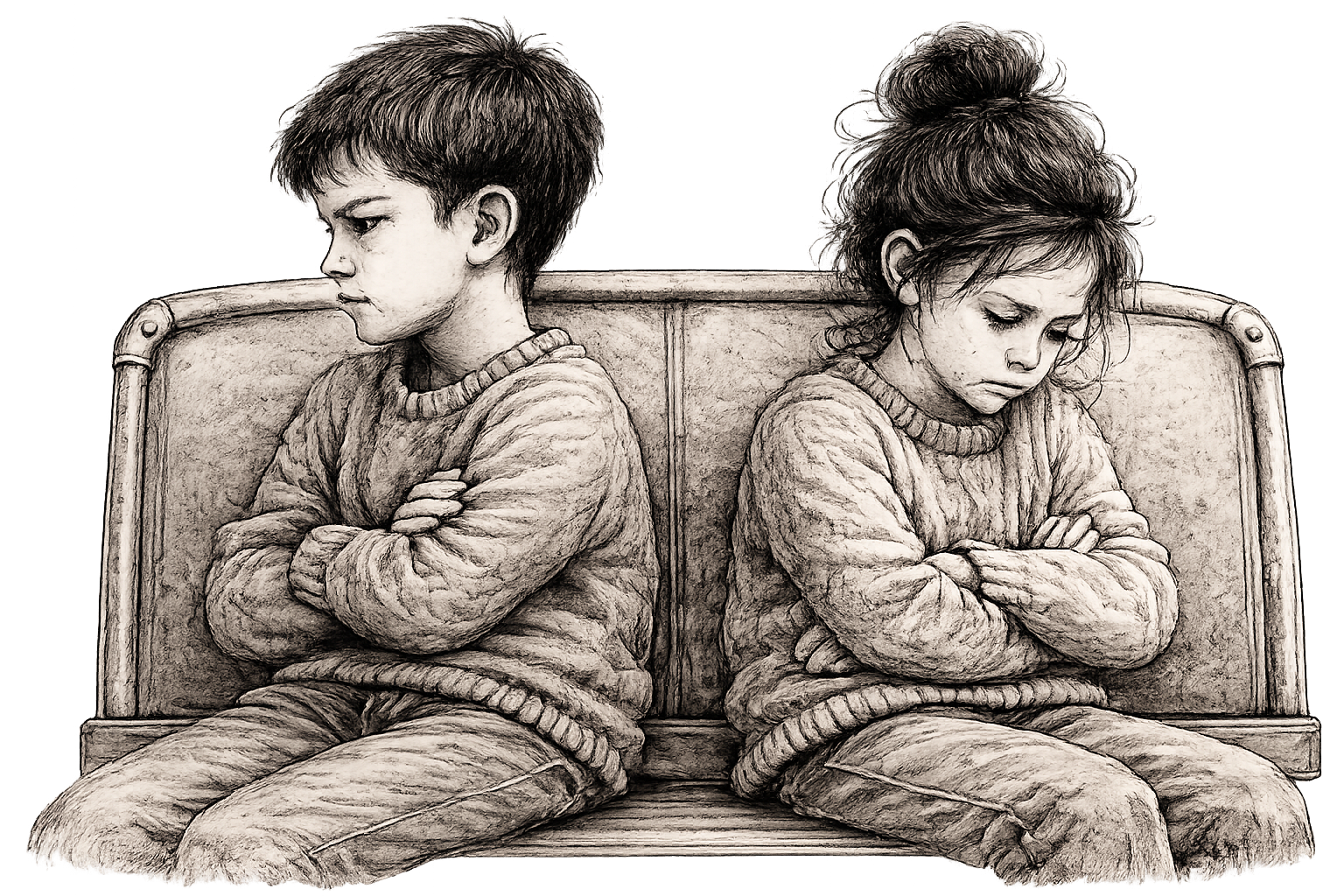
One person pursues.
The other withdraws.
One criticizes.
The other becomes defensive.
One reaches for connection.
The other shuts down.
You both leave feeling unheard, misunderstood, or alone—wondering how two people who love each other can keep ending up here.
The truth is, these moments often aren't about a lack of love or commitment. They're about what happens inside each of us when we no longer feel emotionally safe.
When our nervous system senses threat—even the threat of rejection, criticism, abandonment, or not being enough—it naturally shifts into protection. Curiosity becomes defensiveness. Compassion gives way to self-protection. Connection becomes much harder to access.
This doesn't mean your relationship is broken.
It means your relationship may be asking for something deeper than better communication. It may be inviting both of you to understand the protective patterns that have quietly shaped how you love, connect, and respond to one another.
If recurring conflict is rarely just about the argument itself... then what is really happening?
When Protection Takes the Wheel
"Why do I become someone I don't even recognize?"
None of us enters a relationship intending to criticize, withdraw, become defensive, or shut down.
Yet when we feel hurt, unseen, rejected, or overwhelmed, something inside us often steps in to help.
These protective responses aren't signs that you're broken. They're adaptations—ways your mind, body, and nervous system learned to keep you safe long before your current relationship began.
Perhaps a part of you becomes critical in an effort to be heard.
Perhaps a part withdraws to avoid being hurt.
Perhaps a part tries to fix everything, keep the peace, or never ask for too much.
Each of these responses may have made perfect sense at one point in your life. The challenge is that what once helped you survive can unintentionally make it harder to feel connected to the person you love today.
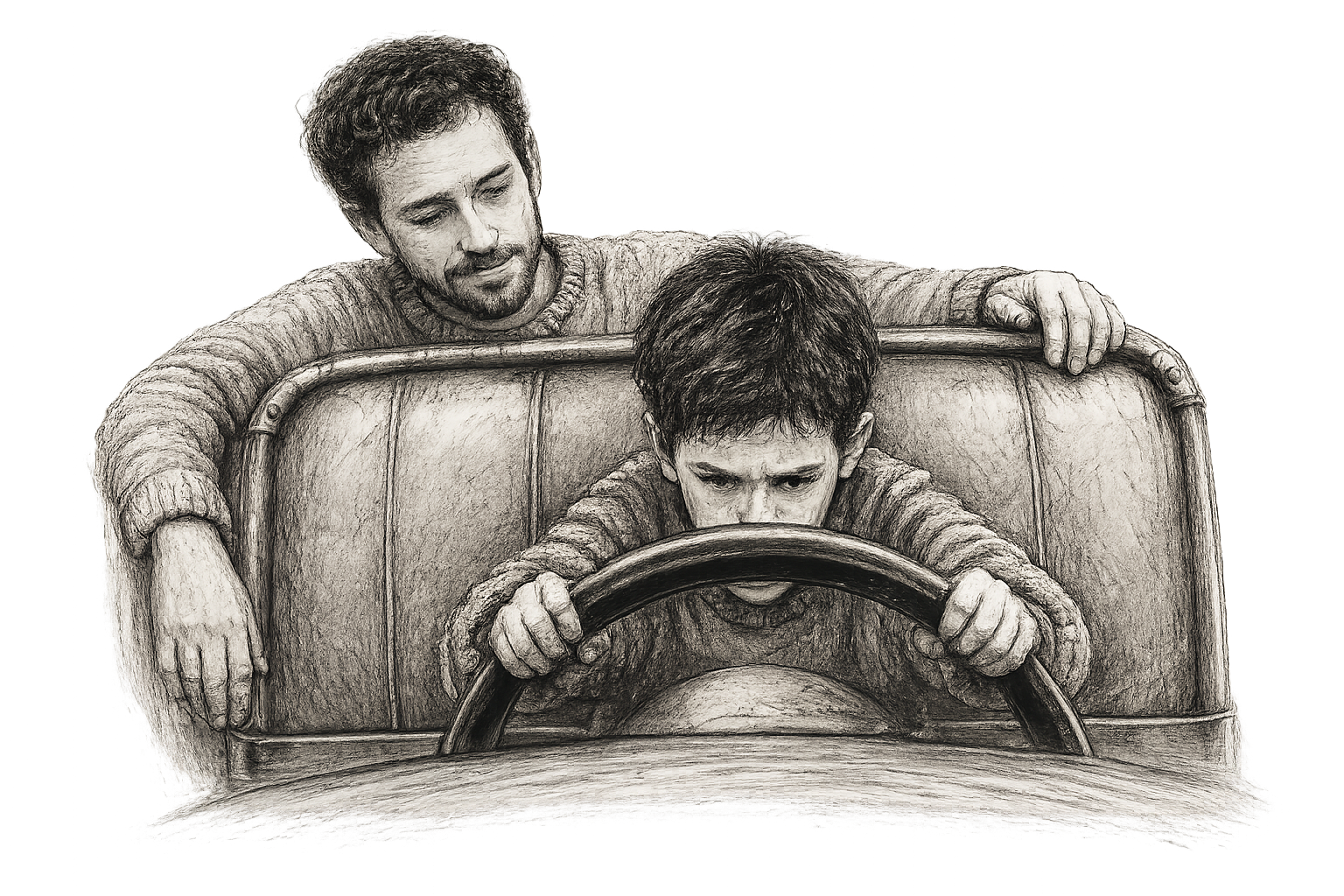
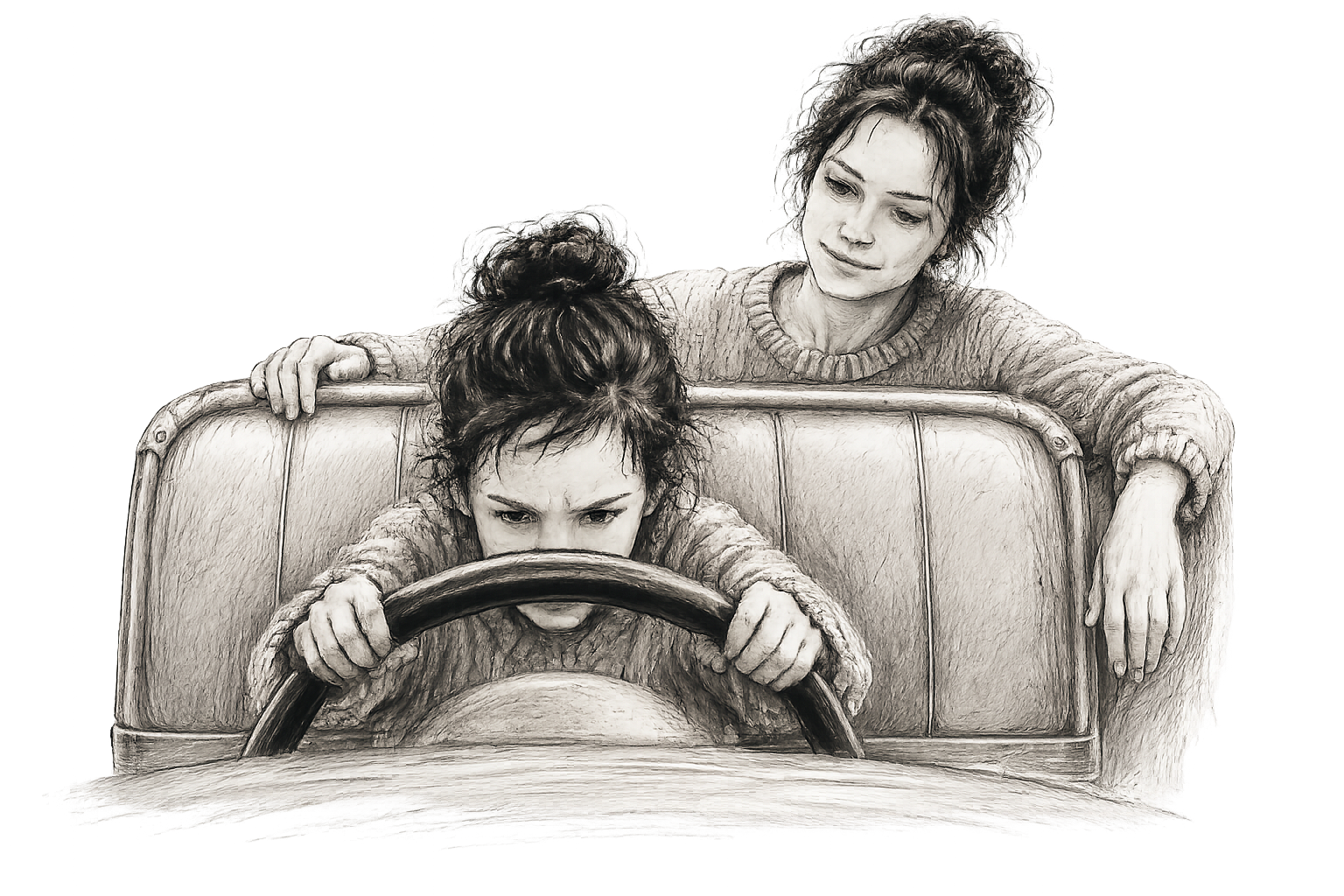
Our goal isn't to get rid of these protective parts or judge them. It's to understand them with compassion, recognize when they've taken the wheel, and help your wiser, grounded self move back into the driver's seat.
Because when protection no longer has to lead, connection has room to grow.
The Dance Between You
"Why does it feel like we're having completely different conversations?"
One partner longs to feel closer.
The other longs to feel safe.
One reaches out.
The other pulls away.
One raises their voice because they don't feel heard.
The other becomes quiet because they don't feel emotionally safe.
Neither person is trying to hurt the other.
Both are trying to protect something deeply important.
What begins as a conversation about dishes, parenting, finances, intimacy, or time together often becomes something much deeper. Two protective worlds begin responding to one another, each shaped by different experiences, different fears, and different ways of trying to stay safe.
The more one partner reaches for connection, the more the other may withdraw. The more one partner withdraws, the more urgently the other pursues. Before long, what began as two loving people trying to understand one another becomes a familiar dance—one that neither partner consciously chose, yet both find themselves repeating.
From the outside, it can look as though one partner is "the problem."
More often, it's the dance itself that's keeping both people stuck.
At Kelowna Trauma & Life Therapy, we don't begin by asking, "Who's right?" or "Who's wrong?" Instead, we become curious about what's happening between you—the protective patterns, nervous system responses, and moments of disconnection that neither of you intended, yet both of you experience.
In many forms of therapy, the focus is on understanding one person. In couples therapy, we become curious about something different: the space between you. Because that's where relationships are built, where they become strained, and where healing begins.
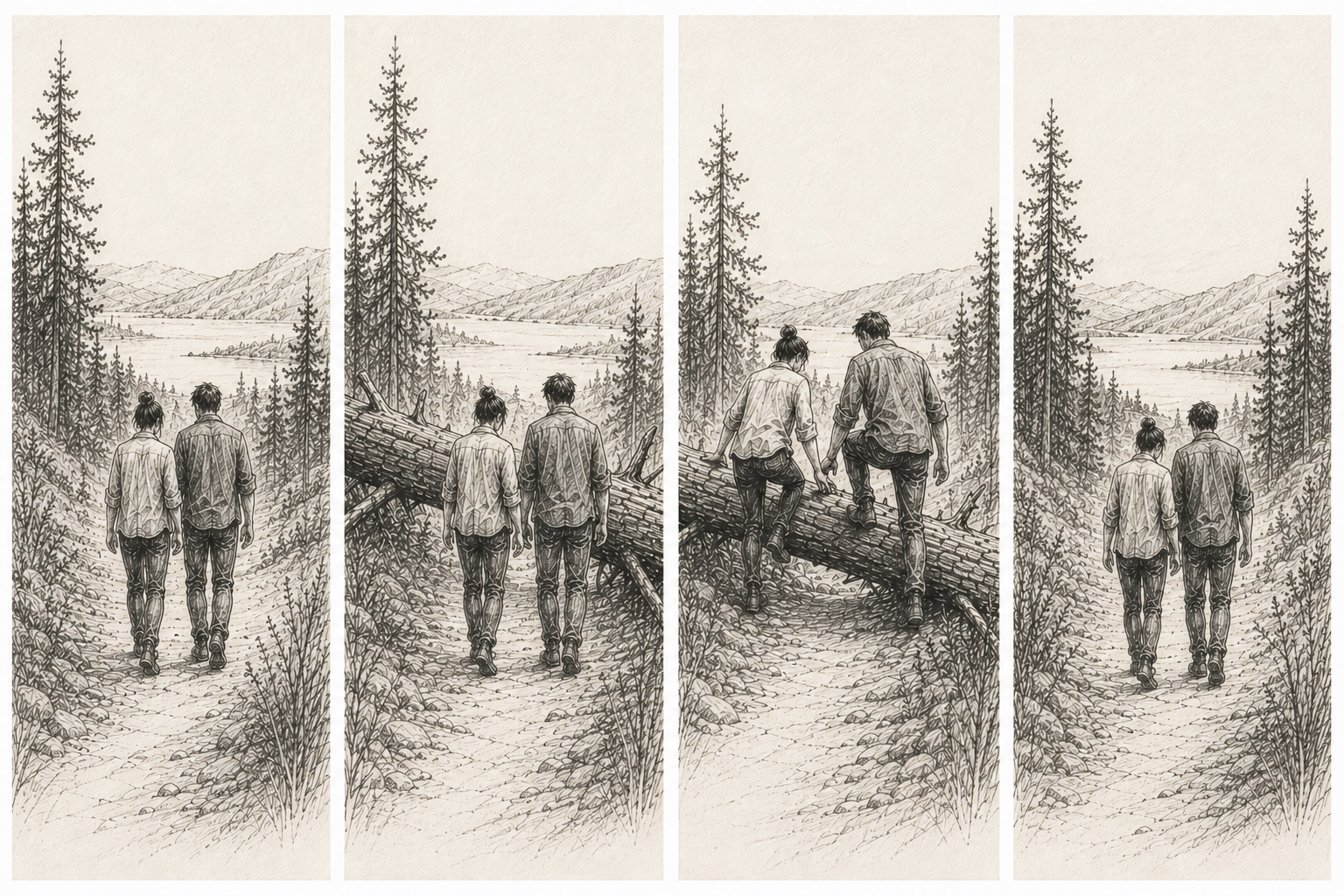
We often say that the relationship becomes our shared focus. Because when the relationship becomes something you care for together, rather than something you defend from one another, everything begins to change. It no longer feels like one partner against the other. It becomes both of you, side by side, learning how to navigate what has come between you—not because either partner matters less, but because lasting change happens when two people begin understanding—and responding differently to—the dance they've been caught in together.
Rather than helping one partner win, we help both partners step out of the dance long enough to see it together. Once the dance becomes visible, it becomes possible to change it. Instead of standing across from one another, trying to determine who's right, you begin standing beside one another, understanding what has been happening within the relationship itself.
That shift creates space for curiosity, compassion, repair, and a new way of relating—not just to each other, but to the vulnerable places within yourselves that have been trying so hard to stay protected.
A Different Way Forward
How We Work Together
No two relationships tell the same story.
Every relationship has its own history, strengths, protective patterns, and hopes for the future. Rather than applying the same model to every couple, we draw from a range of evidence-based and relational approaches, tailoring our work to meet your unique needs.
While each therapist brings their own experience and style, we share a common philosophy: meaningful change happens when both partners feel understood, when protective patterns become visible, and when the relationship itself becomes a place of safety, honesty, accountability, and repair.
Depending on your needs, your therapist may integrate perspectives from:
Relational Life Therapy (RLT)
Internal Family Systems (IFS)
Intimacy From the Inside Out (IFIO)-informed work
Emotionally Focused Therapy (EFT)
The Gottman Method
Somatic and nervous system-informed approaches
Attachment-based therapy
Trauma-informed care
We don't believe healthier relationships are built by finding the perfect words. They grow when protective patterns become easier to recognize, repair becomes possible, accountability is embraced, and both partners learn to return to one another with greater awareness, compassion, and courage.
Common Relationship Issues
Common issues we work with may include:
Communication Challenges
Trust & Infidelity
Emotional Distance
Conflict Resolution
Intimacy & Sexual Concerns
Life Transitions (e.g., moving, parenthood, retirement)
Parenting Differences
Financial Stress
Jealousy
Blended Family Dynamics
Anger Management
Power Struggles
Grief & Loss
Addiction & Substance Abuse
Mental Health Concerns (e.g., depression, anxiety)
Work-Life Balance
Our Approach
In couples therapy at Kelowna Trauma and Life Therapy, we take a collaborative, compassionate, and non-judgmental approach to helping partners reconnect and heal. We recognize that each couple is unique, and we tailor our work to meet your specific needs and goals—whether you're rebuilding trust, improving communication, or navigating a life transition.
Each of our therapists draw from a variety of different evidence-based modalities to support deeper understanding, emotional safety, and lasting change, these may include:
Relational Life Therapy (RLT)
Emotionally Focused Therapy (EFT)
The Gottman Method
Attachment-Based Approaches
Narrative Therapy
Somatic and Mindfulness-Based Techniques
Trauma-Informed and Strengths-Based Practices
By creating space for each partner’s experience and helping you build healthier patterns of relating, we support couples in moving from disconnection to deeper connection, from conflict to clarity.

What to Expect
Couples therapy sessions offer a supportive and neutral space where both partners can feel heard, respected, and understood. Your therapist will guide the conversation to help you explore relationship patterns, express emotions more effectively, and develop practical tools for communication and connection.
Sessions typically last 50–60 minutes and may occur weekly or biweekly, depending on your needs and goals. Some couples attend short-term therapy to address a specific concern, while others benefit from longer-term support.
Confidentiality is a key part of the therapeutic relationship. We maintain a safe and private environment where both individuals can speak openly, while also respecting shared boundaries and the integrity of the couple dynamic.
Whether you’re in crisis or simply want to strengthen your relationship, we’ll work together at a pace that feels right for both of you.
Who is Couples Therapy For?
Couples therapy is for anyone seeking to strengthen their relationship, deepen connection, or work through challenges—regardless of your relationship structure or stage. At Kelowna Trauma and Life Therapy, we work with:
Dating or engaged couples
Married or long-term partners
Couples navigating separation or reconciliation
Blended families and co-parenting relationships
LGBTQIA+ couples
Partners healing after infidelity or betrayal
Couples facing major life transitions or stressors
Whether you’re looking to rebuild trust, improve communication, or simply invest in your relationship’s well-being, we offer a supportive and non-judgmental space to help you move forward—together.
Getting Started
At Kelowna Trauma and Life Therapy, we know that taking the first step toward couples therapy can feel overwhelming—and we’re here to make it as welcoming and supportive as possible. Our team includes Registered Clinical Counsellors (RCCs), Registered Social Workers (RSWs), and other qualified professional counsellors with specialized training in relationship dynamics, communication, and trauma-informed care.
We offer in-person sessions in Kelowna as well as secure online therapy for couples across British Columbia. Many of our services are covered by extended health benefits—please check with your provider to see what your plan includes.
To learn more or to book your first appointment, feel free to reach out directly or visit our online booking page. Whether you're navigating a specific challenge or simply want to strengthen your connection, we’re here to support you—every step of the way.
Meet Our Couple’s Counselling Practitioners
-
Arend Smith
Kelowna & Online
-

Rubynoor Sohal, MFT
Kelowna & Online
-
Lea Thomson, BSW, MSW, RSW
Kelowna & Online

Book a Free Consultation
If trauma is keeping you from savouring life, we are here to help. Schedule a free 15-minute consultation to get started.